
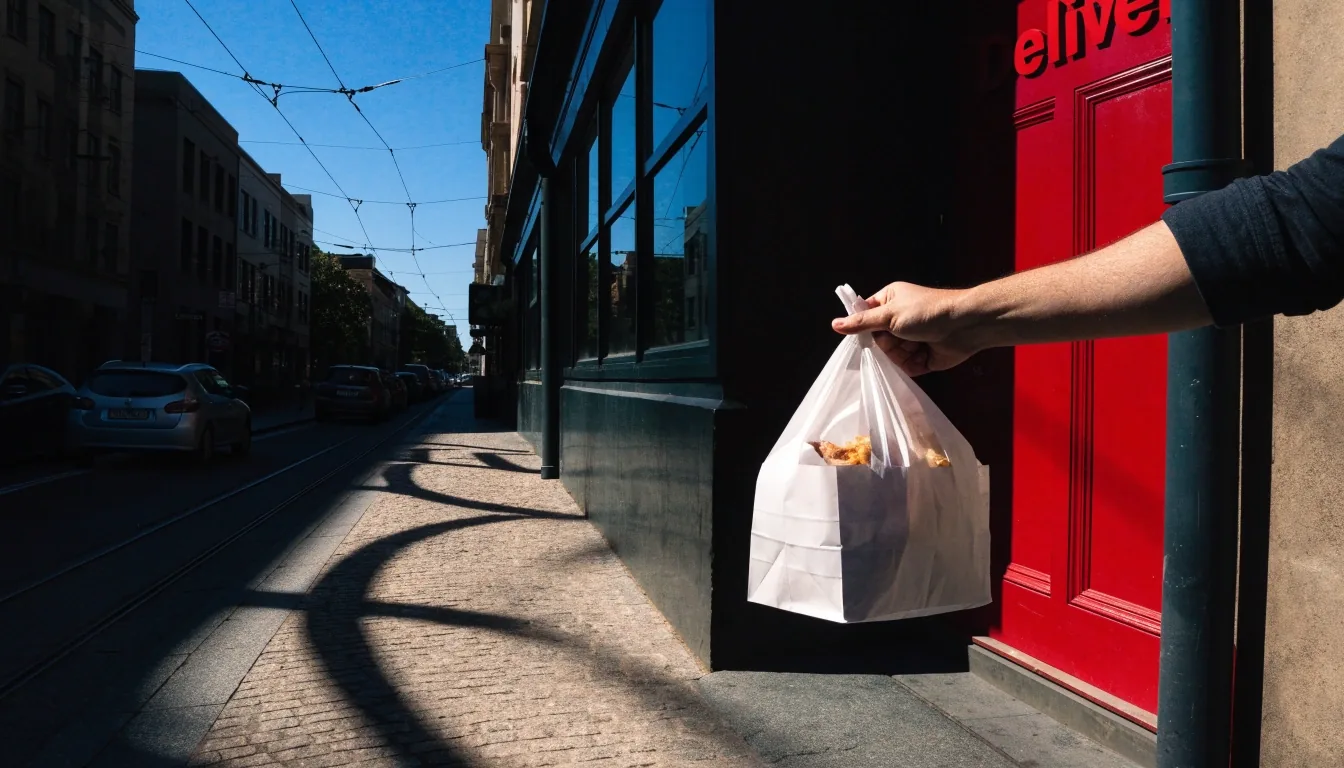
Melbourne delivery, start to doorstep
What to expect from your delivery
Once a Guzman y Gomez order is placed, the experience comes down to a few predictable stages: preparation, courier pickup, travel, and handoff. Knowing each one makes it easier to read tracking updates, judge a shifting arrival window, and work out what to do if something goes wrong.
Four stages, in order
Most of the variation in a delivery happens inside one of these four steps. Reading them in sequence is the fastest way to tell whether a slow order is normal or worth a call.
-
Preparation
The kitchen builds and packs the order. Usually the quietest stretch, and the one where a tracker shows the least.
-
Courier pickup
A driver is assigned and collects the sealed bag from the counter. Status usually changes here first.
-
Travel
The distance between the counter and your door, plus traffic, weather and any second pickup on the way.
-
Handoff
The courier finds you and passes over the bag. Address clarity decides most of how this goes.
The quiet part
From confirmation to kitchen
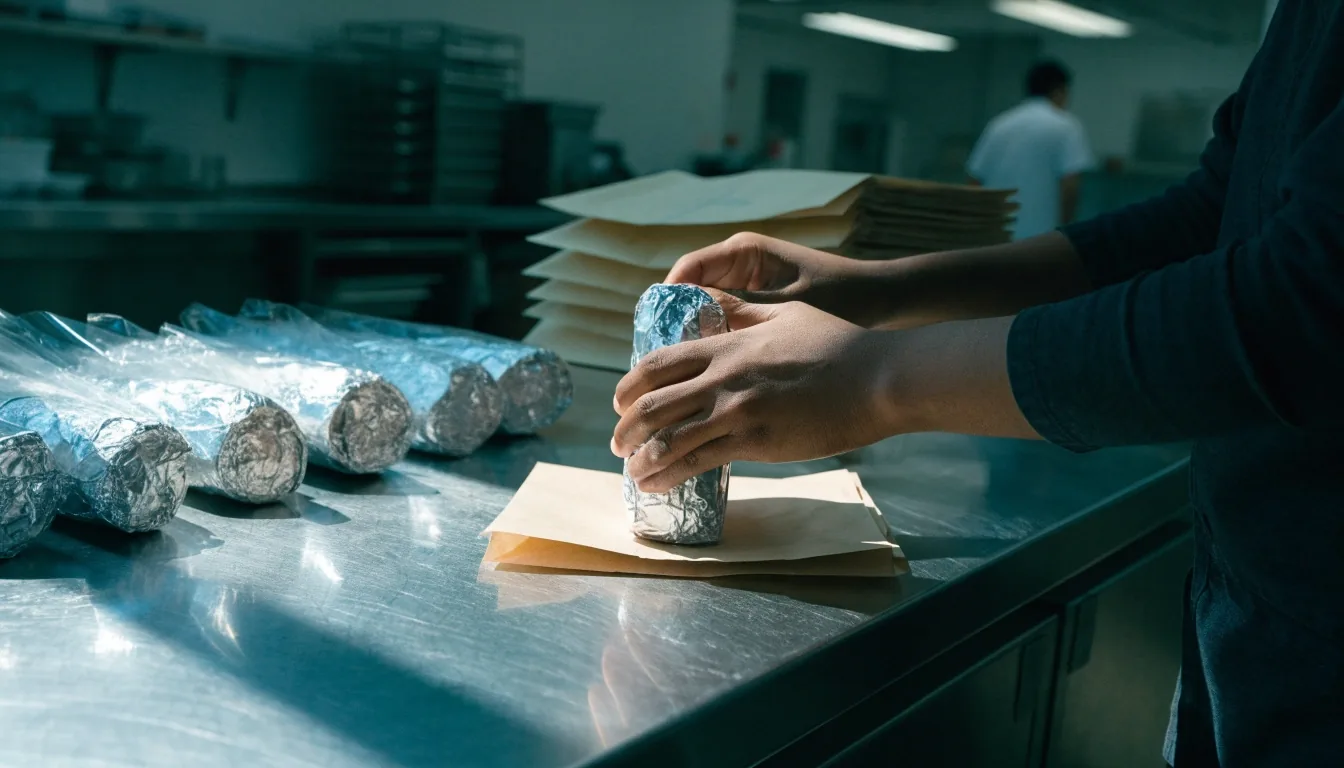
The first stage is preparation, and it is where the order is built and packed. This is usually the quietest part of the timeline, because the tracker often shows little detail until a courier is assigned. Kitchens work through orders in sequence, so a large basket or a busy evening can add time here rather than on the road.
If the status looks stuck, it is usually preparation or waiting for a driver, not a lost order. Give it a few more minutes before you start chasing it — and read the next section so you know which signal to watch for.
Why a big basket takes longer
More items means more assembly, more wraps and more seals. A four-burrito order will not leave the pass as fast as a single bowl, even at a quiet hour.
When dinner rush bites
Between roughly six and eight in the evening, the same order gets more company. Expect the pre-pickup stretch to stretch a little, then recover once a driver takes the bag.
Live tracking and what it shows
Live tracking typically shows a courier position and a rough arrival window once they are on the move. Before that, you may only see a status label — that is normal, not a fault. The window is an estimate that can shift if the driver takes a second order or hits traffic, so treat the tracker as a guide rather than a schedule.
Keep your phone reachable around the expected time. A courier who cannot find the address will usually call, and answering that call is often faster than any in-app message. Setting a clear drop-off note before the order leaves the kitchen prevents most of these calls in the first place.
- Before pickup
- A status label only. Nothing is wrong.
- In transit
- Position plus a rough arrival window.
- Window shifts
- Second orders and traffic push it out.
Packaging and keeping food hot and fresh
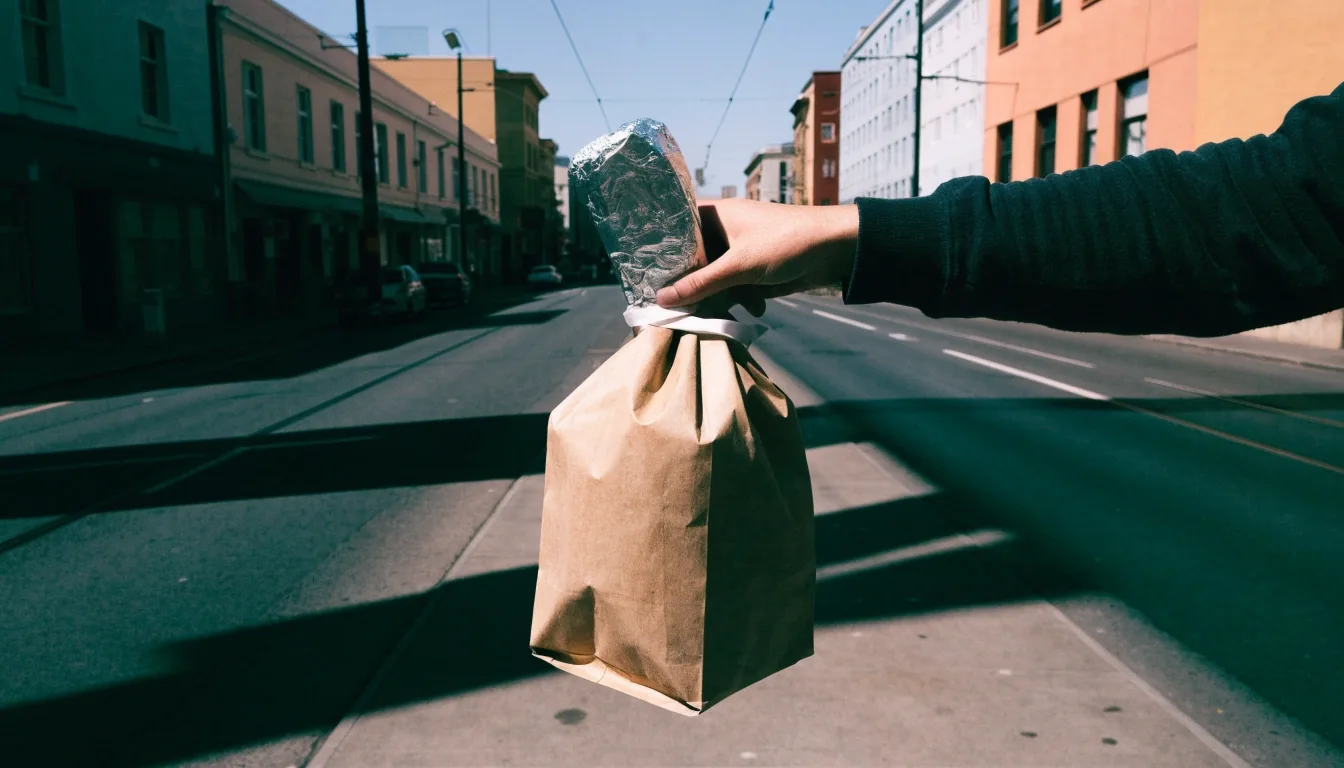
Delivery packaging is designed for the trip. Foil wraps, sealed bowls and insulated bags all slow heat loss, and cold items are packed separately to stay cool — which is why a cool drink arriving alongside a hot burrito is completely normal.
Steam is the main enemy of anything crisp, so fried items soften in transit no matter how well they are packed. The distance your order travels is the biggest factor you influence, and a shorter trip always helps.
A minute of setup before you order — a clear address, a buzzer code, a reachable phone — avoids most handoff problems.
Send us a delivery noteFees, and what they pay for
The delivery fee covers the courier trip and reflects distance and demand. It rises when the network is busy or the distance is long, and the platform sets it — not this guide. Promotions appear from time to time, but they cannot be relied on, so treat them as a bonus rather than a plan.
Distance
Longer trips cost more to run. A suburb further from the kitchen carries a higher fee than one around the corner.
Demand
Peak dinner hours and bad weather raise both demand and the fee. The same order can cost more at seven than at four.
At checkout
The fee is always shown before you pay. It is worth one look at that line before confirming the order.
The handoff
The handoff is the last step and the one most likely to go wrong. Couriers need a clear address, an accessible entrance and a way to reach you. In an apartment block, a note about the building entrance or a buzzer code saves real time.
Meeting the courier at the door, rather than asking for a contactless drop in a hard-to-find spot, reduces the chance of a delayed or misplaced order.
Check suburb coverageWhen something goes wrong
If an item is missing, cold or damaged, report it through the app you ordered from, since that is where the payment and order record live. Most platforms have a process for refunds or credits on affected items, and photos help the review move faster.
This guide cannot resolve individual orders because it does not take them. If a problem repeats, note which platform and which time of day — patterns often point to a specific cause, and that detail is what makes a review useful.
- Missing item: report it with the item name and a photo of what arrived.
- Cold food: mention the travel time and whether the seal held.
- Damaged packaging: keep the container until the review closes.
- Never delivered: check the drop-off note before you assume it is lost.
Reviews, ratings, and giving useful feedback
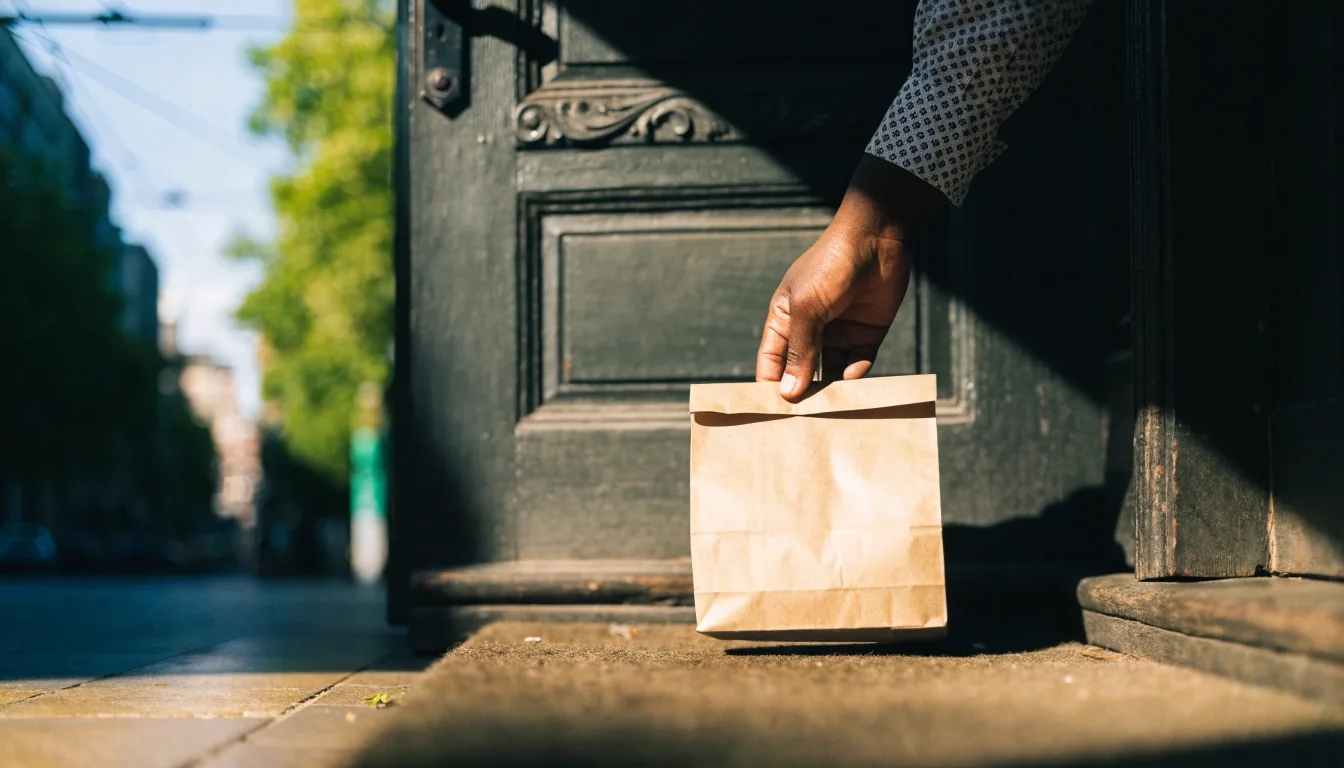
Ratings feed back into how platforms rank restaurants and couriers, so a fair, specific rating is more useful than a vague one. Mentioning whether the food arrived hot, whether the packaging held up and whether the handoff was smooth gives the kitchen and the courier something actionable.
A single bad night does not define a restaurant, just as one good night does not guarantee the next. Rate the specific order you received.
Setting expectations for a good outcome
A good delivery outcome is mostly about matching the order to the trip. Shorter distances, quieter times and travel-friendly items all improve the odds, so does a clear address and a reachable phone.
No platform can promise a specific temperature on arrival, and any guide claiming otherwise is overselling. What you can do is stack the practical factors in your favour and order with a realistic sense of the timeline.
Delivery questions, answered
Three things Melbourne customers ask most often about tracking and fees.
See delivery-friendly menu picksHow accurate is live tracking?
It is an estimate. The arrival window can shift with traffic or if the courier takes another order. Keep your phone reachable around the expected time.
What should I do if my order arrives cold or incomplete?
Report it through the app you ordered from, since that is where the order and payment record live. Photos and a specific description help the review.
Why is the delivery fee higher at some times?
Fees reflect distance and demand. Peak dinner hours and bad weather raise both, which is why the same order can cost more at 7pm than at 4pm.
Keep the good nights coming
Order inside your real travel distance, set a clear drop-off note, stay near your phone, and rate the order you actually received. That is the whole method — everything else is detail.
The kitchen
Shop 4, 120 Spencer Street, Melbourne VIC 3000, Australia
Order by phone
Hours
Monday to Sunday, 10:00 AM – 10:00 PM